
Fall Sale — Save 20% on New Water Ionizers

Curious about how multistage water filtration systems work? Read on for a detailed description of each stage and why they are necessary.
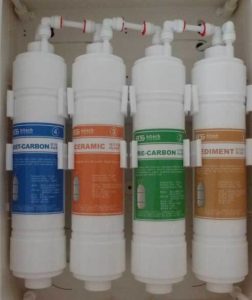
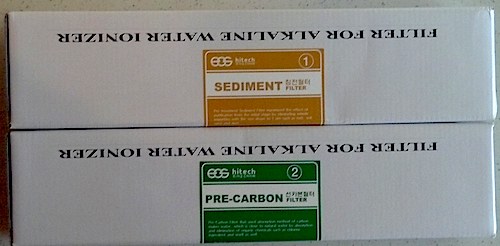
This is the super-basic water filtration method used in early America. It’s usually a spun polypropylene or pleated cellulose cartridge with a pore size of 1 to 5 microns.
A mesh filter works the same way a colander does: it helps filter out large particles of dirt, clay, sand, and rust from water. They can’t purify or cleanse, but they can prevent sediment from building up in your plumbing system.
You usually see a sediment filter as the first stage in a multi-stage water filtration system. It is essential because it removes cloudiness (turbidity) and protects the other filters in your system from clogging with debris. For example, excess sand in your water would prematurely clog a membrane filter, like a ceramic or reverse osmosis filter, forcing you to replace those filters too often and costing you too much money!
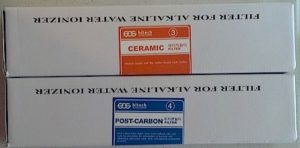
This is the type of filter you are probably most familiar with. Also known as carbon filters or activated charcoal, these are commonly deployed in home water filters, such as one you might place on your faucet, under your sink, or in a water pitcher.
Activated carbon filtration works primarily through a scientific process called adsorption (not to be confused with absorption).
While absorption behaves like a sponge soaking up water into its core, adsorption acts like a high-powered molecular magnet, causing chemical impurities to physically stick to the surface of the carbon.
Because of its unique chemical and physical structure, activated carbon is incredibly effective at removing:
*Taste and Odor Compounds: Instantly neutralizes “pool-like” chlorine smells and earthy mustiness.
* Volatile Organic Compounds (VOCs): Eliminates industrial solvents, benzines, and cleaners.
* Pesticides and Herbicides: Traps agricultural runoff that leaches into groundwater.
* Disinfection Byproducts (THMs): Filters out harmful, carcinogenic chemicals created when cities treat water with chlorine.
Activated carbon is cost-effective and certainly better than nothing, but it falls short when it comes to removing bacteria, parasites, anything radioactive, heavy metals, nitrates and nitrites, and dissolved organic and chemical material. So, you are going to need more to deal with the variety of harsh contaminants in your drinking water.
3. Granular Activated Carbon (GAC)
GAC filters are another very important stage in multi-stage water filtration systems. They are made from loose, highly porous grains of heat-treated carbon (frequently sourced from coconut shells).
They are particularly effective in removing chlorine, volatile organic compounds (VOCs), bad tastes, and chemical odors. GAC filters are essential because they have a massive surface area to adsorb organic chemicals. In systems with a reverse osmosis membrane, this stage is mandatory because chlorine will chemically burn and destroy a semi-permeable membrane.
The next step in most multi-stage water filtration systems is the ceramic filter. They work by forcing water through microscopic pores—typically 0.2 to 0.5 microns in size—that act as a micro-fine sieve, keeping contaminants out of your water. Ceramic filters are great at removing microplastics, sediment, turbidity, parasites, and bacteria. But they are not effective at removing dissolved chemicals and viruses.
Many multi-stage water filtration systems include reverse osmosis (RO), which uses a semi-permeable membrane with pores as small as 0.0001 microns. Those are very small holes that require a ton of pressure to push the water through, often requiring a pressurized tank. RO strips away virtually everything left dissolved in the water, including fluoride, lead, arsenic, nitrates, sodium, and heavy metals, sending them down a wastewater drain. The problem is that RO also strips away dissolved minerals, leaving your water acidic, usually about 5.5 pH. This is too acidic to drink, so you’ll also need to remineralize your water to raise the pH to at least neutral.
Another option is ultrafiltration (UF), which uses hollow fiber membranes (around 0.01 to 0.1 microns) to block bacteria, parasites, and suspended solids while leaving dissolved minerals behind. Notice that the microns on UF are larger than those on reverse osmosis. That means UF isn’t as thorough at removing fluoride, lead, arsenic, etc, but it will still remove these pollutants to levels far below EPA standards, about 99.99% removal. Some people prefer UF because it doesn’t filter out dissolved alkaline minerals, such as calcium and magnesium, so your water will stay close to neutral pH, and you won’t need a remineralization filter.
UV light is an optional stage found in multi-stage water filtration systems. Water is exposed to high-frequency UV radiation that passes through a glass element. This filtration method requires energy and tends to be on the pricier side. This UV light kills viruses, bacteria, protozoa, and parasites. Again, this is optional because other filtration methods already remove these contaminants.
AA is another optional stage for people with high levels of fluoride and arsenic in their water, far above EPA safety standards. Made of aluminum oxide, AA is a highly porous ceramic compound with a high capacity for adsorption. This means that when AA draws in chemicals into its activated porous sphere, the chemicals aren’t just held inside the pores; they actually bond together.
The longer AA has contact with your water, the more harmful chemicals it can remove.
Activated alumina is excellent at purifying drinking water for home use, as well as in industrial applications, water treatment facilities or in the cleanup of toxic waste.
Not just for making whiskey! Water distillation is a highly effective purification process in which water is boiled into steam and then cooled down to return to liquid form in a clean container. The recondensed water is virtually pure, with 99,999% of the contaminants left behind.
Distillers require a lot of electricity to generate the heat needed to boil water. It also requires a significant amount of time to complete. All of the other filtration methods above are flow-through, meaning you turn on the water and the filtered water comes out as soon as it flows through the filter. But distillers are not flow-through. The purified water is captured in a tank, and you can attach a spigot to it to draw the water.
Distilled water also has the same problem as reverse osmosis: all the dissolved alkaline minerals are left behind. This makes distilled water acidic, so you shouldn’t drink it until you remineralize it.
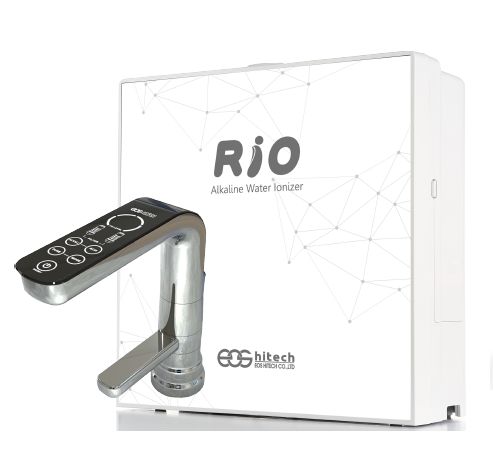
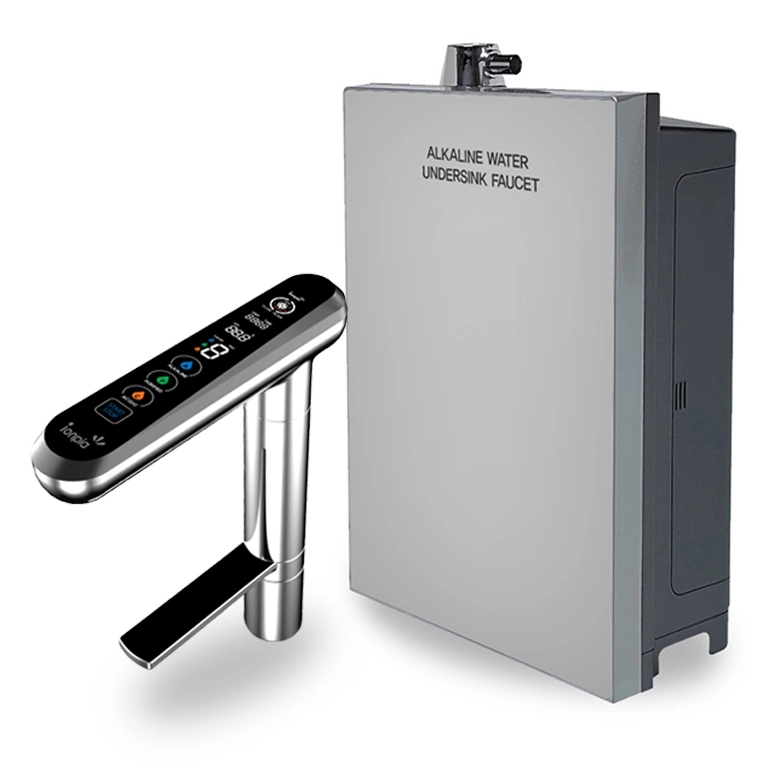
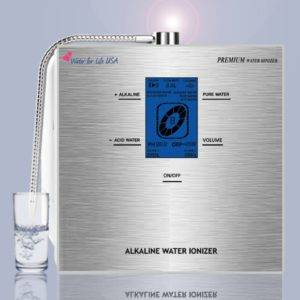
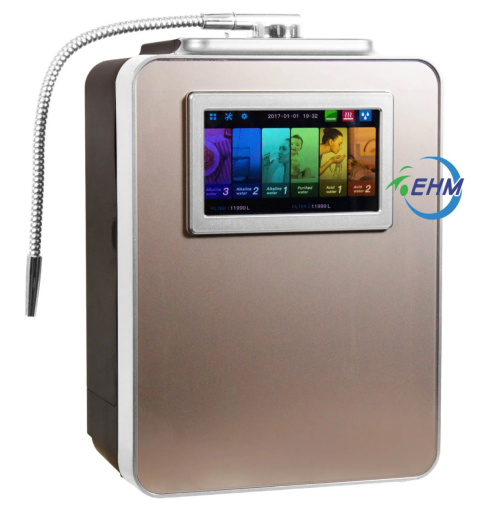
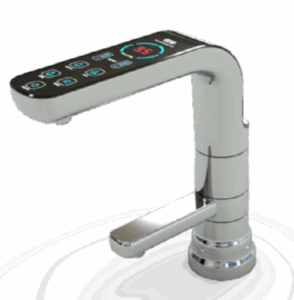
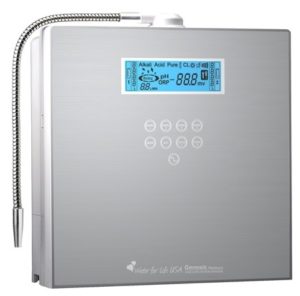
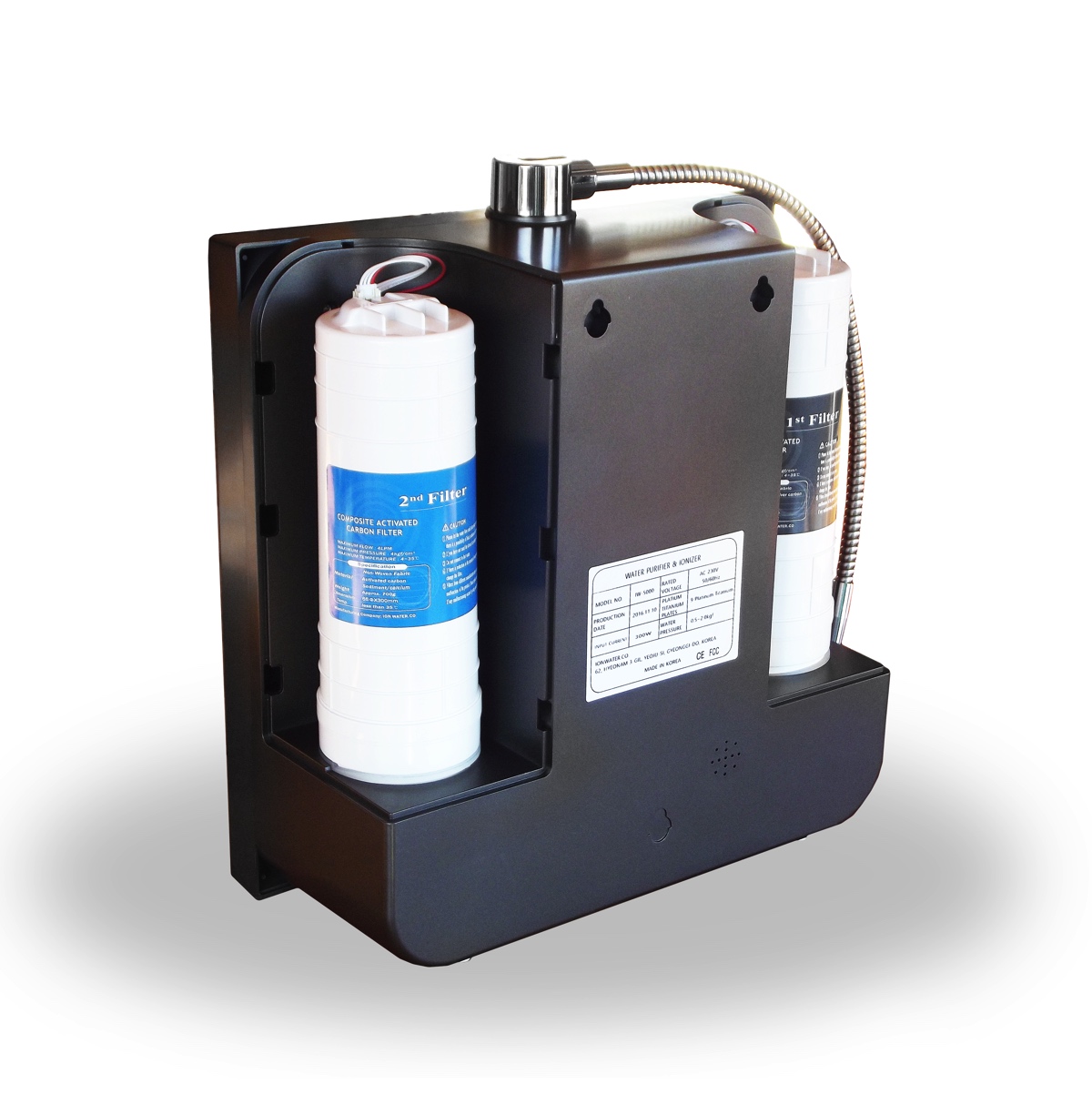
Water ionizers offer multi-stage water filtration designed to remove 99.99% of contaminants from your tap water. But they go one step further by using water ionization to restore antioxidants, offering many health benefits that no other water filter can provide.